

Modern drivers are facing a problem they didn’t expect: their vehicles are becoming too advanced for traditional repair methods. When a warning light flashes or a digital feature glitches, many assume it’s a simple mechanical fix. In reality, the issue often lies deep within software, sensors, or communication networks.
This gap between expectation and complexity is creating confusion for drivers and new challenges for technicians. If repairs feel more complicated than they used to, you’re not imagining it. This article explains how the automotive industry’s rapid shift toward electronics is reshaping modern repair work.
What’s Behind the Shift
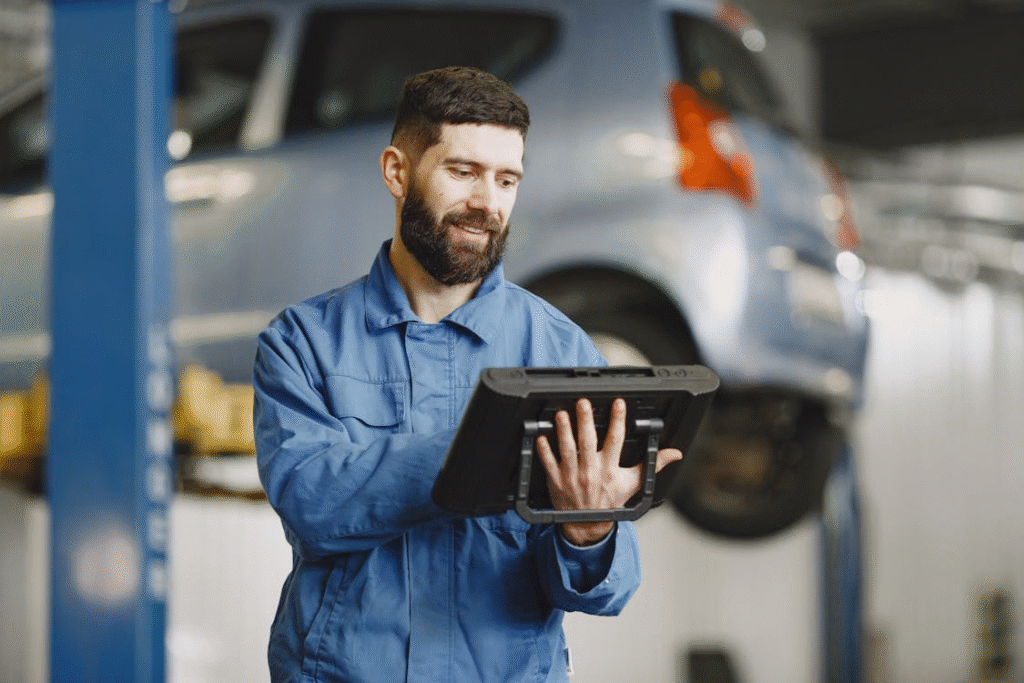
Automakers are designing cars that depend heavily on sensors, processors, and communication networks. These systems help vehicles interpret road conditions, monitor performance, and anticipate problems earlier than before. Technicians now spend more time reading data than replacing parts, which changes how training programs prepare students.
Future technicians must understand how information flows through a vehicle. Repairing today’s systems relies on knowing how digital components interact. This knowledge helps them diagnose issues more accurately and adapt to rapidly evolving technology.
Skills the New Tech Must Master
Training programs are adjusting their curriculum to reflect these new demands. Students need to confidently handle digital tools and understand how software shapes vehicle behavior. Here are the core areas employers look for today:
- Interpreting diagnostic scan data
- Understanding electronic control modules
- Troubleshooting communication networks
These abilities help technicians solve complex issues more quickly and accurately. They also build confidence for handling vehicles that integrate both mechanical systems and computer-driven components.
Education Built for Modern Vehicles
Because vehicles depend on integrated electronics, training programs are expanding their approach to include more digital and diagnostic coursework. Many schools now blend technical repair skills with deeper lessons in automotive software and electrical systems. This helps students learn not only how to repair a problem, but how to recognize its origin inside a complex network.
A strong example of this updated educational approach is an associate’s degree in automotive technology, which combines hands-on mechanical training with advanced diagnostic instruction. Programs like this prepare students for the evolving challenges of the automotive industry by giving them a solid foundation in both traditional and modern systems.
Where Electric and Hybrid Vehicles Fit In
Electric and hybrid vehicles accelerate the need for updated training. These vehicles rely on high-voltage battery packs, electric motors, power inverters, and precise control modules. Technicians must understand safety protocols and system architecture to work with them reliably.
Repairing these vehicles calls for specialized training that covers battery maintenance and regenerative braking systems. Students also need hands-on experience with high-voltage safety procedures. These skills ensure technicians can service modern electrified vehicles confidently and safely.
Why Diagnostics Matter More Now
Diagnostics used to be something technicians handled after mechanical inspection, but now it drives the entire repair process. Cars constantly generate information about performance, safety, and system health. Technicians use digital platforms to interpret that information and identify patterns that point to emerging issues.
This saves time for both repair shops and drivers. It also creates better long-term maintenance outcomes. Predictive insights give technicians the ability to address problems before they become major repairs.
How Predictive Technology Helps
Predictive diagnostics and AI tools can work together to warn drivers before a part fails. Manufacturers are integrating these tools to monitor wear, detect unusual readings, and send alerts directly to service centers. This keeps vehicles on the road longer and reduces the chance of expensive breakdowns.
To work with these systems, technicians need the ability to understand what the data means and how to apply it to real-world repairs. Training programs are beginning to include more instruction on predictive analysis. These skills help technicians stay prepared for increasingly connected vehicle systems.
The Growing Need for Specialized Training
As vehicles become more integrated with digital ecosystems, technicians must understand how different systems influence one another. Shops now look for employees who can evaluate both mechanical performance and the digital signals that guide it. This creates a growing demand for training that teaches students to think holistically about vehicle behavior.
Schools are responding by helping students build stronger analytical skills. Instead of focusing only on how components function, programs encourage students to interpret why a system reacts the way it does. This approach prepares technicians to handle unfamiliar technology with confidence.
Hands-on learning also plays a larger role in shaping problem-solving ability. Students practice diagnosing issues that involve multiple interconnected systems. These experiences help them transition smoothly into real repair environments where blended skills are essential.
When Training Gets Hands-On
Hands-on training gives students the chance to apply classroom concepts to real vehicle behavior. It strengthens their ability to make quick, informed decisions during unexpected situations. This kind of practice helps them develop confidence that theory alone cannot provide.
During training, students build practical judgment through focused skill development. To support that growth, they must practice essential skills that prepare them for real shop environments:
- Running electrical system tests
- Performing software-guided diagnostics
- Safely servicing hybrid and EV components
The Future Technician
Future technicians will be expected to understand how driver assistance features, connectivity systems, and over-the-air updates shape vehicle behavior. Instead of focusing only on repairs, they will increasingly support vehicle software upkeep and system calibration. Their role will expand into maintaining the digital ecosystems that keep modern cars operating smoothly.
Shops will also rely on technicians who can interpret customer concerns related to technology, such as malfunctioning infotainment systems or inconsistent sensor alerts. Clear communication will become a key part of the job as drivers depend more on digital features. Technicians who can translate complex system behavior into simple explanations will stand out.
As vehicles integrate more automated functions, technicians will participate in routine validation checks to ensure safety features operate correctly. They will also assist in updating system configurations after component replacements. This involvement in system verification will make them essential partners in maintaining vehicle reliability.
Moving Forward With Confidence
The automotive industry continues to evolve, and technicians who understand both mechanical and digital systems will be in high demand. If you’re considering a career in this field, training programs that combine diagnostics, electrical systems, and hands-on repair can help you build a strong foundation.
Schools like NYADI offer pathways that prepare students for the challenges of modern vehicles while building the confidence needed to succeed in a competitive field. As the industry grows more connected and more digital each year, there has never been a better time to start building the skills that will drive your future.