

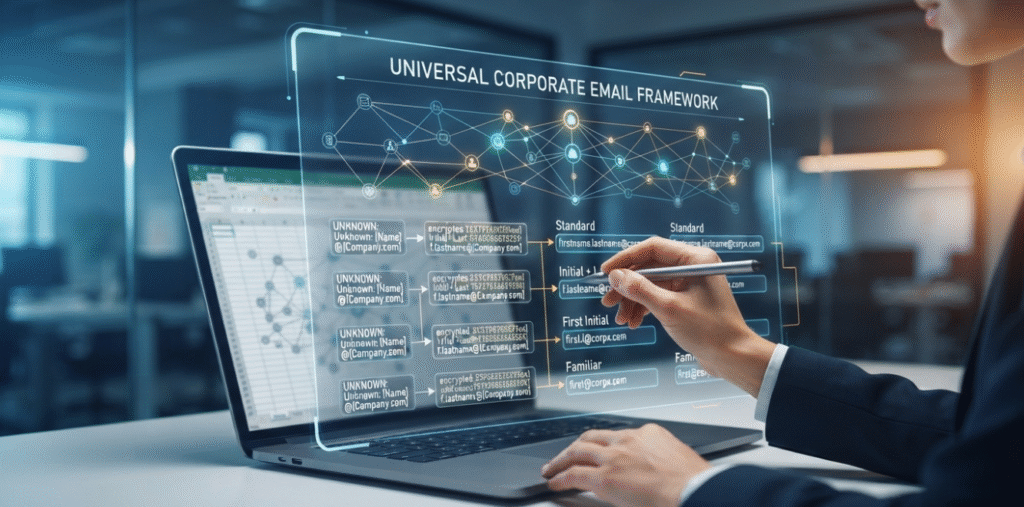
In today’s fast-paced business environment, effective communication is paramount, and email remains a cornerstone of professional interaction. However, navigating the complexities of corporate email addresses can be daunting, especially with the myriad of permutations used across different organizations. This article aims to deconstruct corporate email structures, unveiling the patterns and frameworks that govern business contacts. By understanding these variations, professionals can enhance their networking strategies, streamline outreach efforts, and ultimately foster stronger connections within their industries. From tools and techniques for cracking email codes to ethical considerations surrounding privacy, we will explore the essential elements of mastering corporate email communication.
Understanding Corporate Email Structures
The Importance of Email in Business Communication
In the world of business, email is the trusty steed that carries important conversations across the digital plains. It’s the lifeblood of communication, allowing teams to coordinate, collaborate, and occasionally argue over the use of Oxford commas. From sending out company-wide announcements to exchanging memes with your colleagues, mastering the corporate email structure is essential for effective dialogue.
Key Components of a Corporate Email Address
A typical corporate email address usually contains a few key ingredients: the username, the “@” symbol, and the domain name. The username often comprises the employee’s name (or an inventive variation of it), while the domain name reflects the company’s brand (think: @yourcompany.com). Knowing this componentry helps decipher the jigsaw puzzle that is business email communication.
Variations Based on Company Size and Type
Just as sweaters come in various sizes; sweater vests for startups, chunky knits for corporate giants; so too do email formats. Larger corporations might lean towards standardized formats (first.last@company.com) to maintain uniformity, while smaller businesses or startups often encourage creativity (think: funny nicknames or quirky usernames). This variation makes it both fascinating and occasionally frustrating for anyone trying to crack the email code!
The Anatomy of Business Contact Frameworks
Defining Universal Business Contact Frameworks
Universal Business Contact Frameworks (UBCFs) are like the secret sauce of corporate communication. They outline standardized methods for how companies organize and present their contact information. Think of it as a recipe that everyone in the business kitchen must follow to whip up a delightful, well-structured contact list.
Key Elements of Effective Contact Frameworks
An effective contact framework includes several indispensable ingredients: clear labeling (because ambiguity is the enemy), consistency (no one likes a rogue email format), and accessibility (making it easy for people to reach out). Add a pinch of user-friendliness, and voilà; you have a contact framework that invites connection rather than confusion.
How Frameworks Vary Across Different Sectors
Just as different cuisines have distinct flavors, contact frameworks differ by industry. Tech companies often embrace innovation and flexibility, while financial institutions might go for traditional formats reflecting stability and professionalism. Non-profits could mix it up further, using approachable styles to encourage engagement and donations. These distinctions highlight the colorful world of business protocol.
Common Email Permutations Across Industries
Email Formats in Tech Companies
In the fast-paced realm of tech, email formats tend to be as innovative as the gadgets they create. Typical formats include variations like first@company.com or first.last@company.com, and sometimes even playful options like firstinitial.lastname@company.com. With a culture that embraces creativity, tech companies often lead the charge in offering unique usernames that reflect personal branding.
Email Structures in Financial Institutions
On the other end of the spectrum, financial institutions prefer to stick to classic formats that exude professionalism and reliability. You’ll often find structures such as first.last@company.com or last.first@company.com. Here, every character counts; after all, financial stability is no laughing matter, and a clear email structure helps convey trustworthiness.
Variations in Non-Profit Organizations
Non-profits, the generous-hearted heroes of the sector, often opt for formats that encourage warmth and approachability. This could mean using first@nonprofit.org or creative variations that might even include a fun twist reflecting the organization’s mission. Their intent is clear: to make it easy for supporters, volunteers, and donors to reach out and engage with their cause.
Tools and Techniques for Email Deconstruction
Software Solutions for Email Pattern Recognition
In the modern digital landscape, software tools are like trusty sidekicks, ready to help you decode email formats. Solutions like Hunter.io and VoilaNorbert can simplify the process of finding and verifying email addresses based on recognized patterns. When building outreach lists, it is also highly beneficial to filter out junk addresses using a disposable email checker to preserve your domain’s sender reputation. With just a few clicks, you can unlock the mysteries of corporate email addresses without breaking a sweat – or the bank.
Manual Techniques for Identifying Patterns
Sometimes, old-fashioned sleuthing is the way to go. Manually examining company websites, LinkedIn profiles, and even the occasional press release can reveal valuable insights into email formats. If standard formatting guesses fail and you need a deeper lookup strategy, you can learn how to find someone’s email address using advanced web searches and social media platforms to track down the correct point of contact.
Leveraging Data Analytics for Email Insights
Data analytics can feel a bit like the magic wand you didn’t know you needed. By analyzing existing email lists and recognizing trends, you can gain insights into common structures and formats used across various companies. This approach provides both clarity and a strategic edge in building your own email database, making you a contact connoisseur in no time.
Case Studies: Successful Email Cracking Strategies
Case Study 1: A Fortune 500 Company
When a marketing intern at a Fortune 500 company decided to reach out directly to the Chief Marketing Officer (CMO), the odds seemed stacked against them. However, by analyzing the company’s email format; first initial followed by last name; and using LinkedIn for confirmation, they successfully crafted a compelling subject line. The intern’s email, laced with wit and showcasing an innovative idea, landed them a brainstorming session with the CMO. Result? A future recommendation to join their marketing team. Lesson learned: sometimes it pays to be audacious (and a little clever)!
Case Study 2: A Start-Up Success Story
In the throes of a tech start-up launch, a co-founder leveled up their networking game by deconstructing email permutations with precision. They discovered that almost all employees followed a “firstname.lastname@company.com” format. Armed with this intel, they reached out to potential investors with personalized emails that showcased their product’s unique value proposition. The result? Three funding opportunities and a crowded room during their pitch presentation. Takeaway: precision and personalization are key; email success isn’t just about luck!
Lessons Learned from Failed Attempts
Not every email mission is a success story. One ambitious individual tried using a generic “info@company.com” to crack communication barriers, resulting in exactly zero replies (except for an automated response). Another learned the hard way that using a catch-all guess (like “johnsmith@company.com”) just led to a rude awakening about “not being spam.” The lesson? Always do your homework and ensure that your approach is specific to the individual you’re trying to contact. Blindly shooting emails into the void is like throwing spaghetti at the wall; most of it will just end up on the floor. If you are a developer testing your own internal communication channels rather than conducting cold outreach, you can safely use a fake email generator to create dummy accounts for verification trials.
Best Practices for Networking through Email
Crafting Effective Initial Outreach Emails
Start with a killer subject line that both piques interest and clearly states your intent. Keep your message concise and friendly; think of it as a first date, not a marriage proposal. Introduce yourself briefly, explain why you’re reaching out, and include a specific ask or question. And for the love of all things business, proofread! Typos in an initial email are like showing up to a first date with spinach in your teeth; unforgettable, but not in a good way.
Maintaining Professional Etiquette
Remember, you’re reaching out to a professional, not your long-lost buddy from college. Use a formal greeting, and steer clear of slang or overly casual language. Be respectful of their time; if you’re asking for a meeting, suggest options but be flexible. Finally, end with a polite closing; “Best regards” or “Sincerely” works better than “Catch you later!”
Following Up Without Being Overbearing
The art of the follow-up is delicate. Wait at least a week before you ping them again; no one likes being hounded. Keep your message brief, reference your previous email, and express understanding if they’ve been busy (which they probably have). Think of it like nudging a friend about borrowing that book; they probably forgot, but you don’t want to come off as desperate for it back!
Future Trends in Corporate Email Communication
The Rise of AI in Email Management
AI isn’t just for sci-fi movies anymore; it’s making a splash in how we manage our inboxes. From smart sorting algorithms to predictive text, AI tools are learning our preferences and helping us craft better emails. But beware! These tools can be helpful, yet it’s crucial to ensure your email retains that personal touch. We’re not trying to turn our correspondence into a robot love story!
Impact of Remote Work on Email Practices
With the rise of remote work, emails have become the lifeblood of corporate communication. We’ve traded water cooler talks for frantic keyboard typing and Zoom calls. Responding to emails now feels like a sport; speed and responsiveness are key. As teams become more dispersed, expect to see a surge in video emails and voice messages, adding a personal flair to what was once a plain text exchange.
Security Trends and Email Privacy Regulations
Email security is more crucial than ever with rising cyber threats. We must navigate the landscape of new privacy regulations, like GDPR and CCPA, that keep your inbox safe. Organizations are tightening security protocols, and users will need to adopt two-factor authentication like it’s a part-time job. Remember: it’s better to be overly cautious than to be the one whose data just took a vacation to the dark web!
Ethical Considerations in Email Usage and Privacy
Understanding Email Privacy Laws
Before hitting send on that outreach email, it’s vital to familiarize yourself with email privacy laws. Regulations like GDPR ensure that personal data is handled responsibly. Ignoring these laws could lead to hefty fines or being blacklisted by an entire country’s email servers. It’s like knowing the rules of the road before you drive; accidents can happen, and they can be messy!
Best Practices for Ethical Email Cracking
Ethical email cracking isn’t about deceit; it’s about using clever techniques without crossing any lines. Focus on transparency; if you’re trying to connect for networking purposes, be upfront about it. Avoid using misleading subject lines and get straight to the point. Authenticity can build trust, which is much more valuable than any shortcut.
Balancing Networking with Respect for Privacy
Always remember that behind every email address lies a real person with real boundaries. Respect their time and privacy; don’t blast out mass emails like confetti at a wedding. Tailor your outreach and acknowledge their autonomy. Networking should feel like building a bridge, not throwing a boulder!In conclusion, mastering the intricacies of corporate email permutations can significantly enhance your networking capabilities and business communication. By understanding the underlying structures and employing effective strategies, professionals can navigate the complexities of email outreach with confidence. As the landscape of communication continues to evolve, staying informed about best practices and ethical considerations will be crucial for maintaining meaningful connections in the corporate world. Embrace these insights, and let them empower your efforts to engage and connect with others effectively.
FAQ
What are the most common email formats used by businesses?
Common email formats include variations like firstname.lastname@company.com, firstname@company.com, and lastname@company.com. These formats can vary based on the organization’s size, industry, and internal policies.
How can I identify the correct email address for a contact?
Researching the company’s email format through their website or LinkedIn profiles can be helpful. Additionally, using tools designed for email validation and pattern recognition can improve your chances of finding the right address.
Are there ethical considerations when attempting to crack email addresses?
Yes, it’s essential to respect privacy laws and company policies regarding communication. Always ensure your networking efforts are professional and consensual, and avoid using any information for malicious purposes.
What tools can assist in deconstructing email addresses?
Numerous tools and software are available that specialize in email verification and pattern recognition. Some popular options include Hunter, VoilaNorbert, and Clearbit, which can help identify email structures based on existing data.